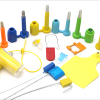


A container seal is a small lock with a very big job. Its main purpose is to keep your goods safe inside a shipping container. It helps stop bad guys from opening the container and taking your stuff. Plus, it shows you if someone tried to mess with your shipment. You want your package to get to you safe and sound and these seals help make that happen for large cargo on its long journey. They protect your goods, help you follow rules and build trust in global trade.
Why Do We Need Container Seals? (Main Goals)
Think about sending something important. You want it to arrive just as you sent it. Shipping container seals are a key tool to make sure that happens. We call this container security devices. They help with three main things.
Keeping Things Safe (Security Against Theft)
Imagine you are sending something really valuable. A strong seal makes it much harder for thieves to open the container door and steal your items. It acts like a first line of defense for freight protection. It’s like putting a strong lock on your front door. If someone wants to get in, they’ll need tools and time. This noise and time can scare them off. This is a big part of cargo theft prevention. Many Logistics Companies and Shipping Lines rely on these to protect goods.
Did you know that cargo theft costs businesses a lot of money each year? Groups like the Transported Asset Protection Association (TAPA) often report on this problem. Using good sellos de seguridad can cut down on these losses. Anti-theft seals are a simple yet strong way to protect your items from being taken during intermodal transport by truck, train, or vessel. This means your goods are safer when they move from a warehouse to a distribution center and then to your customer.
Knowing If Someone Opened It (Tamper Evidence)
This purpose is super important. Even if someone tries to open the container, a seal will often show you clear tamper evidence. It’s like a little detective! If the seal is broken, cut, or looks funny, you know someone might have touched your goods. This feature helps you tell if anything went wrong during the long trip. We call these tamper evident seals or tamper proof seals.
Every seal has a special, unique seal number or unique identification. It’s often serialized seals. When you send your goods, you write down this number. When the container arrives, you check the seal. Is the number the same? Does the seal look whole? If not, you know there might be a problem. This helps with seal integrity and seal verification. It allows for evidence collection if something did go wrong. This is a core idea in logistics and supply chain management because you need to know if your items were touched.
Following the Rules (Customs and Regulations)
Governments have many rules for moving goods across borders. These are called seal regulations. Many countries, like the U.S., say you must use special customs seals on containers. This helps stop smuggling of illegal things. It also helps make sure everyone plays fair and pays their taxes. These rules are part of border security and port security.
The World Customs Organization (WCO) works with customs offices all over the world. They suggest using seals to keep goods safe and to stop illegal trade. (Source: WCO). The International Maritime Organization (IMO) also looks at ship safety, which often includes cargo security. Following these rules helps global trade run smoothly and legally. It also avoids big fines or delays for Importers and Exporters at the border. You wouldn’t want your shipment stuck at the Customs office, would you?
Kinds of Container Seals (Different Ways to Keep Things Safe)
Not all seals are the same. There are different types of container seals for different jobs.
Strong Seals (Bolt and Cable Seals)
These are like super tough locks for your container. Bolt seals are thick metal pins. They fit through the latches on the container door. You need special tools, like big cutters, to remove them. Sellos de cable are strong metal wires. You also need tools to cut these. We call them barrier seals because they create a real barrier against entry. They are great for high-value items or when you need the most security.
These strong seals often meet rules like ISO 17712. This is a global rule for high-security mechanical seals. If a seal has this mark, it means it’s very tough and hard to break without special tools. This rule helps people know a seal is reliable and strong. Many Manufacturers make these seals to meet these tough rules. You can find many options, even special Sellos de pernos designed for maximum strength.
Easy-to-See Seals (Plastic Seals)
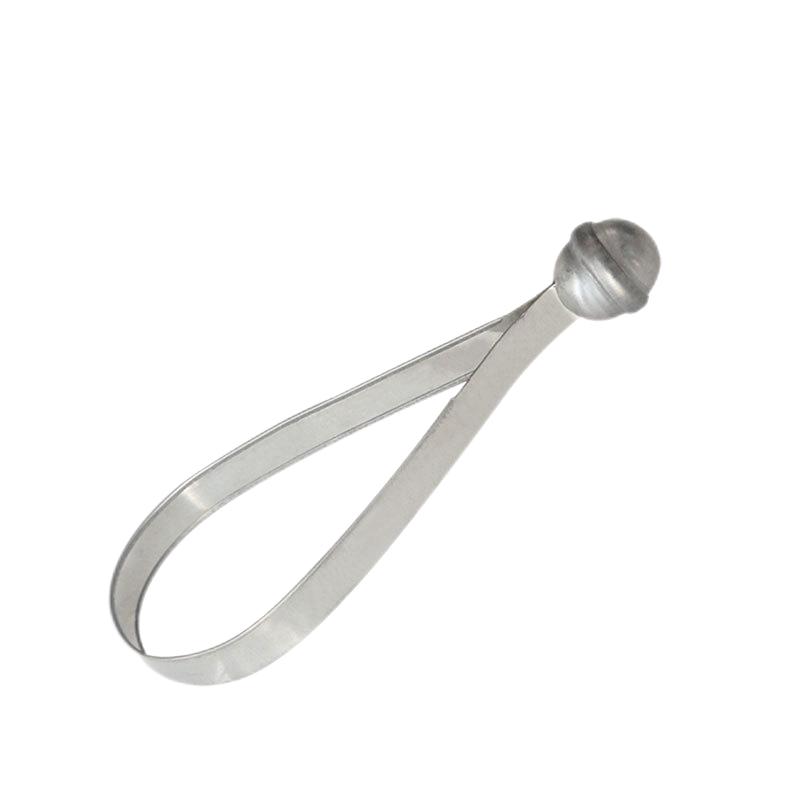
These seals are often made of plastic. They are not as strong as bolt seals or cable seals, but they are very good for showing if someone opened the container. If you see a plastic seal broken, you know for sure something happened. They show tamper evidence very clearly. We call these indicative seals. They indicate if someone touched the container.
Sellos de plástico are often used for general goods protection where showing tamper evidence is the main goal. They are great for seal verification at different points in the supply chain. For example, a freight forwarder might use them on a smaller package inside a larger container.
Smart Seals (Electronic Seals)
These are newer and use cool tech! They are often called electronic seals or smart seals. They can track where the container is using GPS. Some can even tell you right away if the container door opens. They are like high-tech guards for secure transportation. Some even send alerts to your phone!
Electronic tracking helps with logistics security and gives real-time updates on cargo security. Some advanced systems even use blockchain technology to keep a super secure record of the seal’s status. These are becoming more common for very high-value goods or sensitive shipments.
Who Cares About Container Seals? (Why They Matter to Everyone)
Many different people and businesses rely on container seals.
For Shipping Companies
Shipping Lines and Logistics Companies want to keep their customers’ goods safe. Good seals mean fewer problems, less cargo theft, and happier customers. It helps them show accountability and offer reliable service. It’s part of their risk management plan to avoid insurance claims.
For Businesses Importing/Exporting
Manufacturers, Importers, and Exporters rely on seals a lot. They need to make sure their products arrive in one piece, just as they sent them. Using good seals saves them money and headaches from damaged or stolen goods. It helps them build trust with their partners and customers around the world.
For Governments
Governments care deeply about border security and stopping illegal trade or smuggling. Customs officers use seals as a simple tool to help them do this. Seals are a part of maritime security efforts too. They help governments keep the country safe.
How Seals Make Things Better (The Benefits)
Using shipping container seals brings many good things. These are the key benefits of container seals.
Less Theft
Seals stop many thefts just by being there. A thief sees a seal and knows it will be harder to open the container. This often makes them move on to an easier target. It’s a clear signal that the container is protected. This means better goods protection and more cargo theft prevention. Reports show that taking proper security steps, like using strong seals, can greatly reduce losses from theft.
Trust in Trade
When you know goods are sealed properly, you can trust that no one messed with them. This builds trust between sellers and buyers, and between shipping lines and their customers. It helps everyone feel more secure about global trade. You know that what you ordered is what you will get.
Smooth Customs Checks
Customs officers can check seals quickly. If a seal is good, it helps goods move faster through ports and borders. This means less waiting and fewer delays for your shipment. It’s part of regulatory compliance that makes cross-border trade security more efficient.
Picking the Right Seal (Important Things to Know)
Not all seals are the same. You need to pick the right one for the job. Knowing the types of container seals and their strengths is key.
Rules for Seals (ISO 17712 and C-TPAT)
When picking seals, you need to know about some important rules.
What ISO 17712 Says
This is a world standard from the International Organization for Standardization (ISO). (Source: ISO website). It tells us how strong a “high-security mechanical seal” must be. If a seal has this mark, it means it’s super tough and will not break easily. You need special tools to remove it. It helps people know a seal is reliable and meets tough strength tests. These are often called high security seals explained.
What C-TPAT Needs
In the U.S., C-TPAT is a program. It stands for “Customs-Trade Partnership Against Terrorism.” It helps companies have safer supply chains. (Source: U.S. Customs and Border Protection website). If you’re part of C-TPAT, you must use ISO 17712 certified seals. It’s all about working together for safety and stopping bad things from entering the country. It speeds up customs for trusted companies and offers better supply chain security. Make sure your trailer seals meet all these tough rules.
How to Use Seals Right (Best Practices)
How to use container seals in the best way is important. The container sealing process is simple but needs care.
Always Check Before You Use It
Before you put a seal on, make sure it isn’t broken or damaged. Check the seal integrity. A damaged seal won’t do its job well. This is part of good risk management.

Record the Seal Number
Write down the unique identification seal number as soon as you put it on. This is super important! You will use this number later to check the seal. You should keep a seal log or use documentation for every seal.
Put It On Correctly
Make sure the seal is tight and in the right spot on the container door latches. If it’s loose, it won’t work well. The seal application should be done right. Only authorized personnel should handle this.
Check It When It Arrives
When the container gets there, you must do a container seal inspection. Look at the seal. Is it the right number? Does it look okay? Is there any sign of container seal breaking? This seal verification step is key for seal safety.
Take Pictures
Photos can be very good proof if there’s a problem. If a seal looks broken, take pictures right away. This helps with evidence collection for any insurance claims.
Conclusion: Seals Keep Your World Moving
So, a container seal isn’t just a simple piece of plastic or metal. It’s a key part of keeping your goods safe. It helps with goods protection and makes sure international shipping seals allow cross-border trade security. It builds trust in trade, and helps everyone follow the rules. It prevents cargo theft and offers clear tamper evidence. From bolt seals to cable seals and even smart electronic seals, these container locking devices have a mighty purpose. They are a small item that helps your world keep moving safely. This makes them crucial for secure transportation and successful global trade. You can check out reliable Precintos de alta seguridad for strong options.