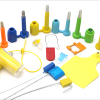


What are the advantages of using bolt seals?
Bolt seals are high-security locking mechanisms used primarily in logistics and transportation to safeguard cargo during transit. They are designed with robust construction, making them highly effective at deterring theft and unauthorized access, which is crucial for industries that handle high-value or sensitive goods. Their tamper-evident features provide visible proof of unauthorized access, enhancing security and trust among clients and partners in various sectors, including international shipping, military logistics, and aviation.
Notable for their compliance with stringent industry regulations, bolt seals help companies meet safety and security standards established by regulatory bodies. This compliance is essential not only for protecting goods but also for maintaining operational integrity and fostering strong business relationships. The use of these seals signifies a company’s commitment to safeguarding their products and adhering to best practices in supply chain security.
Operationally, bolt seals are valued for their efficiency, allowing for quick application and removal, which streamlines loading and unloading processes. Their robust design requires specialized tools for removal, thereby enhancing their effectiveness as a security measure during transit. By significantly reducing the risk of theft, companies can achieve cost savings by minimizing potential losses associated with pilferage and related insurance claims.
Moreover, the implementation of bolt seals can lead to increased customer confidence, as businesses that prioritize security are often favored by clients. As industries evolve and face new security challenges, the adaptability of bolt seals, including advancements like RFID technology for real-time tracking, continues to position them as a preferred choice in securing valuable cargo across diverse applications.
Advantages of Using Bolt Seals
Bolt seals offer a multitude of benefits, making them a preferred choice for enhancing security across various industries.
Enhanced Security Features
One of the primary advantages of high-security bolt seals is their robust construction, which acts as a formidable deterrent against theft and unauthorized access. These seals are designed to withstand external damage and leave visible evidence if tampered with, ensuring that any unauthorized attempts to breach a container are easily detectable. Steel bolt seals, in particular, provide high resistance to damage, making them ideal for transporting high-value or hazardous goods. In contrast, Sellos de plástico bolt seals offer a lighter and more cost-effective option for scenarios requiring lower security measures.
Compliance with Regulatory Standards
Bolt seals play a crucial role in helping companies maintain compliance with industry regulations. They are essential for safeguarding products during transit, thereby ensuring adherence to safety and security standards set by various regulatory bodies. The use of tamper-evident features in bolt seals not only enhances security but also fosters trust among clients and partners, demonstrating a commitment to operational excellence and compliance.
Operational Efficiency
The design of bolt seals allows for quick application and removal, facilitating efficient loading and unloading processes. Their strong breaking strength necessitates a specialized tool for removal, further enhancing their protective capabilities during transit. This operational efficiency is critical in logistics, where time and security are of the essence.
Cost-Effectiveness
Investing in bolt seals can lead to significant cost savings by preventing losses from theft and security breaches. The financial repercussions of pilferage, including replacing stolen items and resolving insurance claims, can be substantial. By acting as a first line of defense, Precintos de alta seguridad bolt seals significantly reduce the likelihood of such incidents, thus safeguarding a company’s bottom line.
Increased Customer Confidence
The implementation of bolt seals conveys a company’s dedication to protecting customer interests, enhancing trust and confidence in the security of shipments. Clients are more likely to choose a service provider that prioritizes the integrity and security of goods, which can translate into competitive advantages and increased sales opportunities.
Applications of Bolt Seals
Bolt seals are primarily used in high-security applications to protect cargo during transit. Their robust design and unique locking mechanism make them the standard choice for securing shipping containers, trucks, and trailers, particularly in international shipping scenarios where compliance with regulations is essential.
High-Security Cargo Protection
International Shipping Containers
One of the primary applications of bolt seals is in securing international shipping containers. These seals provide protection for various types of containers, including dry, refrigerated, and tank containers, ensuring that goods remain secure throughout their journey.
Intermodal Transportation
Bolt seals are notably effective in intermodal transportation, where containers are transferred between different modes of transport, such as ships, rail, and trucks. Their ability to withstand the rigors of multiple handling scenarios helps maintain the integrity of the cargo being transported.
High-Value Cargo
Specialized bolt seals are frequently utilized for securing high-value cargo, such as pharmaceuticals, electronics, and luxury goods. The strong construction of bolt seals serves as a deterrent against theft and tampering, making them ideal for shipments that require extra security measures.
Regulated Materials
For shipments containing hazardous materials or controlled substances, bolt seals offer essential security features that comply with industry regulations. Their use helps to ensure that sensitive items are not compromised during transit, thereby meeting legal and safety requirements.
Cross-Industry Applications
Beyond standard shipping uses, bolt seals play a crucial role in several other sectors:
Aviation Security
In the aviation industry, bolt seals are employed to secure air cargo containers and unit load devices, providing a reliable means of protecting goods transported by air.
Military Logistics
The military often relies on bolt seals for securing sensitive equipment and supplies during transport. Their tamper-evident features are vital for maintaining operational security.
Energy Sector
In the energy sector, bolt seals protect valuable oil and gas equipment during transportation. Their strength and reliability are essential in environments where safety and security are paramount.
Manufacturing
Bolt seals are also used in manufacturing to secure high-value components and finished goods. This application ensures that products are handled with care and remain intact throughout the supply chain process.
Industry Standards and Compliance
The use of bolt seals in logistics is heavily influenced by a framework of industry standards and regulatory compliance measures. These standards are designed to ensure the security and integrity of goods in transit, particularly for international shipments. Compliance with regulations such as ISO 17712 and C-TPAT (Customs-Trade Partnership Against Terrorism) is crucial for companies operating within the logistics sector.
Importance of Compliance
Maintaining compliance requires ongoing effort and investment, as regulations and standards evolve to address new threats and industry developments. Companies must remain informed and adapt their security practices accordingly, which often involves staff training, equipment upgrades, and conducting regular audits. Compliance is not just a one-time achievement; it is an ongoing journey that supports operational excellence and fosters a culture of continuous improvement within organizations.
Adhering to regulatory standards serves as a demonstration of a company’s commitment to security excellence. Businesses that can prove compliance with recognized standards are more likely to gain the trust of clients and partners, leading to stronger relationships, repeat business, and access to premium markets. Moreover, compliance can open doors to partnerships with government programs that offer benefits such as streamlined customs processing.
Regulatory Guidelines
To ensure compliance, logistics companies must implement strict security measures, including the use of high-security seals. These seals not only enhance security but also facilitate smoother customs clearance processes, reducing costs and delays associated with non-compliance. High-security bolt seals, which meet the ISO PAS 17712:2013 standard, are particularly recognized and often mandated by customs authorities for international freight. For instance, C-TPAT requires the use of ISO 17712 compliant high-security seals for cross-border shipments entering the United States, significantly reducing the risk of penalties and enhancing the overall efficiency of the supply chain.
Enhanced Traceability
One of the notable advantages of using compliant bolt seals is the enhanced traceability and accountability they provide. Each seal features a unique serial number, creating a direct link between the seal, the container, and its contents. This capability allows logistics professionals to verify the authenticity of seals upon receipt, track the movement of containers throughout the supply chain, and maintain detailed records for auditing purposes. In the event of tampering, these records can assist in quickly identifying the point of compromise.
Design Features and Technological Innovations
Advanced Security Features
Bolt seals have evolved significantly due to technological advancements, incorporating features that enhance their security and usability. One prominent innovation is the integration of RFID (radio-frequency identification) technology, which allows for electronic tracking throughout the supply chain. These smart seals provide real-time monitoring capabilities, transmitting data about seal status, location, and any tampering attempts. This technological edge enhances overall security, enabling businesses to respond quickly to potential breaches.
Additionally, manufacturers are developing specialized coatings for bolt seals that change color or display warning messages if an attempt to remove or compromise the seal is detected. This provides an extra layer of protection and makes it easier for companies to maintain product integrity during transit.
Durability and Reusability
The design of modern bolt seals also emphasizes durability and reusability. Smart bolt seals can achieve cost savings of 30-60% due to their reusable nature and robust construction. These seals are often made from materials that withstand harsh environmental conditions, ensuring reliability over long periods of use. Their durability is crucial in maintaining security for high-value and sensitive cargo, as they are less likely to fail compared to traditional sealing methods. For heavy-duty applications, Sellos de metal provide the necessary strength to withstand these harsh conditions.
Tamper Evident Features
Tamper evident characteristics are intrinsic to the design of bolt seals, allowing users to easily identify if a package has been tampered with. This is crucial for maintaining product integrity and consumer trust. Various tamper-evident mechanisms, such as induction seals and shrink bands, are often used in conjunction with bolt seals to provide additional visual indicators of tampering. These features alert consumers to any unauthorized access, thereby enhancing safety across supply chains.
Adaptability Across Applications
The versatility of bolt seals is another key design feature that contributes to their popularity across various industries. They can be adapted to different container types and cargo sizes, making them suitable for applications ranging from Precintos de seguridad para contenedores to Sellos para remolques. This adaptability ensures that businesses can meet diverse security needs while maintaining compliance with industry standards.