

What is the difference between cable seal and bolt seal?
summary
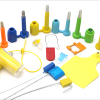
The difference between cable seals and bolt seals is pivotal in the realm of security measures used to protect cargo and sensitive materials during transportation. Both types of seals serve the essential function of preventing unauthorized access and ensuring the integrity of shipments, yet they are constructed differently and cater to distinct security needs. Cable seals, made from flexible metal cables, offer versatility and customization, making them suitable for a wide range of applications across industries such as logistics, warehousing, and agriculture. Conversely, bolt seals are rigid, single-point locking devices renowned for their high strength and tamper-proof design, predominantly utilized in high-security environments like international shipping and aerospace.
The notable distinction between these seals extends to their respective security features and applications. Bolt seals typically comply with stringent standards, such as ISO 17712, providing superior resistance to tampering due to their robust construction. They are favored in situations where maximum security is paramount, particularly for high-value cargo transported over long distances. In contrast, cable seals offer a middle ground, providing adjustable lengths and various strength classifications that can be tailored to specific security requirements, thus appealing to sectors that demand flexibility and rapid deployment.
Controversies surrounding these seals often focus on the vulnerabilities associated with each type. Bolt seals, while generally considered more secure, have been criticized for having interchangeable parts that can be exploited, raising concerns about their tamper resistance. Cable seals, although versatile and adaptable, may not always meet the highest security standards, leading some industries to prefer the rigid construction of bolt seals for sensitive shipments. This ongoing debate highlights the importance of selecting the appropriate seal type based on the unique needs and security challenges faced by various sectors, ensuring both compliance and effective asset protection.
Types of Seals
Security seals are categorized into several types based on their construction and intended use, primarily to ensure the integrity and security of shipments and sensitive materials.
Sellos de plástico
Sellos de plástico are commonly used for various applications due to their lightweight nature and ease of use. They are often employed for lower-risk shipments where high-security measures are not critical. These seals typically offer basic tamper-evident features but may not provide the same level of security as metal or cable seals.
Sellos de metal
Sellos de metal provide a higher level of security than plastic seals and are often required for international transport as per ISO standards. They are usually made from robust materials such as steel and are designed to withstand harsh conditions. Among the metal seals, bolt seals and cable seals are the most prominent types.
Sellos de pernos
Bolt seals are characterized by their high strength and tamper-proof design, making them a preferred choice for securing containers and trailers in international shipping. These seals are typically used on the doors of freight containers and are designed to resist cutting and tampering. Bolt seals must meet specific regulations, such as ISO 17712, which mandates testing for tensile strength. However, they have been criticized for their vulnerabilities, as many share interchangeable parts that can be exploited by those with malicious intent.
Sellos de cable
Cable seals are made from multi-strand metal cables and are known for their versatility and adjustable lengths, making them suitable for a wide range of applications. They combine a locking mechanism with a flexible cable, allowing for a secure fit on various cargo sizes. Cable seals provide a middle ground between plastic indicative seals and rigid bolt seals, as they offer customizable features like sequential numbering and barcoding for enhanced traceability. Due to their robust construction and adaptability, cable seals are increasingly favored in logistics and high-security environments.
Tamper-Evident Seals
Tamper-evident seals are designed to show visible signs of tampering, ensuring that any unauthorized access to the sealed item can be immediately identified. These seals can be made from various materials, including plastic and metal, and are essential for maintaining the integrity of sensitive shipments.
Electronic Security Seals
The most advanced type of security seal is the electronic security seal, which actively monitors for tampering and provides real-time alerts. These seals incorporate technology that enhances security by tracking the seal’s status and providing data on its condition and any attempts at unauthorized access.
Comparison of Cable and Bolt Seals
Cable seals and bolt seals serve distinct functions in securing containers and cargo, each offering unique advantages and applications in various industries.
Design and Functionality
Sellos de cable
Cable seals are characterized by their flexibility, allowing for adjustable lengths to accommodate different locking points and container types. They are ideal for diverse applications, including securing truck doors and rail cars, and provide a middle ground between easily breakable plastic indicative seals and rigid bolt seals that lack length customization. The use of non-preformed steel cable in cable seals ensures that they cannot be easily cut and reused, as the cable frays upon cutting, rendering the seal ineffective for future use. Cable seals can be customized with laser markings, sequential numbers, and barcodes, enhancing traceability and compliance with industry standards.
Sellos de pernos
In contrast, bolt seals are rigid, single-point locking devices designed for high security. They are predominantly used for securing shipping containers, truck trailers, and freight shipments, providing superior resistance to tampering due to their robust construction. Bolt seals are compliant with ISO 17712 standards, making them suitable for cross-border shipments where adherence to international regulations is crucial. They can also be customized with laser-engraved serial numbers for added traceability.
Security Features
Tamper Resistance
Both cable and bolt seals offer tamper-evident features, but they differ in their approach. Bolt seals are known for their heavy-duty construction, which provides an additional layer of defense against unauthorized access, making them the preferred choice for situations requiring the highest level of security. In contrast, while cable seals also provide tamper evidence, their design is more versatile and can meet a range of security needs dictated by customer requirements.
Strength and Testing
The tensile strength of both types of seals plays a critical role in their application. Bolt seals typically have a higher tensile strength and are better suited for high-security applications, whereas cable seals are available in various strengths to accommodate different security levels, classified as indicative, security, or high security based on their tensile ratings. This allows for tailored solutions based on the specific needs of various industries, including transportation, energy, and aviation.
Application Across Industries
Cable seals are favored in sectors requiring flexibility and rapid deployment, such as logistics and shipping, due to their adjustable lengths and customization options. Their ability to withstand extreme temperatures and harsh conditions makes them indispensable in global logistics. Conversely, bolt seals are typically used in high-stakes environments where maximum security is paramount, such as securing valuable cargo during long-distance transport.
Common Industries and Applications
Cable seals and bolt seals are widely utilized across various sectors to enhance security and prevent unauthorized access. Their specific applications vary by industry, addressing unique security challenges.
Transportation and Logistics
In the transportation and logistics sector, both cable seals and sellos de alta seguridad play critical roles in securing cargo during transit. These seals are essential for shipping containers and truck trailers, particularly when transporting high-value goods. They provide a reliable barrier against theft and tampering, ensuring compliance with industry standards and regulations.
Warehousing
Warehousing operations benefit significantly from the implementation of cable seals. These seals help prevent unauthorized access to sensitive areas, safeguarding valuable inventory and equipment. The unique identification features of cable seals also facilitate comprehensive tracking capabilities within warehouse management systems, enhancing overall operational efficiency.
Retail and Distribution
Retailers use tamper-evident seals, including both cable and bolt seals, to protect high-ticket items during their journey from warehouses to retail locations. This practice deters theft at every stage of the supply chain and reassures customers that products are genuine and untampered, thereby fostering brand loyalty and repeat business.
Agriculture
The agriculture industry relies on cable seals to secure equipment, chemical storage areas, and processing facilities. These seals are designed to withstand harsh outdoor environments, ensuring reliable performance where traditional locks might fail due to corrosion or weather conditions.
Healthcare
In healthcare facilities, tamper-evident seals are crucial for maintaining client trust and safeguarding against fraud. These seals provide visible indicators of tampering, helping to deter potential threats while facilitating compliance with regulatory requirements and streamlining auditing processes.
Aerospace and Defense
The aerospace and defense sectors employ high security bolt seals to secure sensitive equipment and maintain operational integrity. These seals prevent unauthorized access and ensure that critical assets are protected during transport and storage.
Additional Applications
Beyond the aforementioned industries, cable and bolt seals are also employed in sectors such as oil and gas, renewable energy, and industrial automation. They secure pipelines, solar combiner boxes, and control panels, providing an additional layer of protection in environments where safety and reliability are paramount.
Regulatory and Industry Standards
Overview of Compliance Standards
In the realm of shipping and logistics, adherence to regulatory and industry standards is essential for ensuring the security of goods during transit. The International Organization for Standardization (ISO) has established a range of standards that govern the specifications and testing of security seals, with ISO 17712 being the most widely recognized benchmark for high-security seals used in international shipping. Compliance with these standards is crucial for businesses, particularly those involved in sensitive supply chains, such as pharmaceuticals and electronics, where tampering can have significant repercussions.
Key Standards and Regulations
ISO 17712
ISO 17712 outlines requirements for the strength and tamper-resistance of security seals, categorizing them into three levels: indicative, security, and high-security. High-security seals, specifically classified under the “H” category, are designed to withstand tampering attempts and are often mandated by customs authorities for international freight shipments. Compliance with ISO 17712 ensures that seals can effectively deter unauthorized access, providing companies with a reliable means of protecting their cargo.
Transportation Security Administration (TSA) Guidelines
Businesses operating in the United States must also comply with TSA protocols regarding shipping and security seals. These regulations are especially pertinent for companies handling sensitive materials, where the integrity of shipments is paramount. The TSA guidelines often align with ISO standards, ensuring a cohesive approach to security measures across various industries.
Customs-Trade Partnership Against Terrorism (C-TPAT)
For organizations engaged in international trade, compliance with the C-TPAT program is essential. This initiative requires the use of ISO-compliant high-security seals to prevent tampering and unauthorized access, thereby facilitating smoother customs clearance and minimizing delays. Adhering to C-TPAT standards not only enhances cargo protection but also builds trust within the global supply chain.
Challenges in Compliance
Achieving and maintaining compliance with these regulatory standards can pose challenges for businesses. Identifying the appropriate type of seal that meets the specific regulations of different industries is crucial for ensuring the authenticity of goods during transit. Common obstacles include the need for thorough understanding of the regulatory landscape and the continuous monitoring of compliance standards. Failure to comply with ISO 17712 or other relevant regulations can result in severe legal and financial consequences, including fines and delays in shipment processing.
Challenges in Implementation
Implementing effective security measures, such as cable seals and bolt seals, presents several challenges that businesses must navigate to ensure compliance and protect their assets.
Complexity of Supply Chains
Modern supply chains are intricate and involve multiple stakeholders and checkpoints. This complexity necessitates robust communication and coordination to maintain seal compliance throughout various phases of shipping and logistics. Ensuring compliance across a dynamic landscape can be resource-intensive, requiring meticulous tracking and documentation processes to mitigate risks associated with cargo theft and tampering.
Compliance and Regulatory Issues
Adhering to security seal compliance standards is not just a regulatory obligation but a strategic investment that enhances operational integrity and efficiency. Companies must align their compliance processes with industry-leading standards, and failure to maintain proper documentation can result in noncompliance during audits or inspections, even if appropriate measures were taken. As businesses adopt security seals, they must also establish a comprehensive seal control program to facilitate adherence to these regulations.
Selection of Appropriate Security Measures
Choosing the right type of seal for specific shipments is crucial. The distinction between cable seals and bolt seals lies in their respective security features and applications. High-security bolt seals, for instance, are designed with advanced locking mechanisms that resist tampering, while cable seals offer versatility in securing various types of containers. Businesses must weigh the benefits and limitations of each type to effectively safeguard their products and assets.
Environmental Factors
Environmental conditions can significantly impact the integrity of security seals. For instance, storing seals in outdoor shipping containers can expose them to temperature extremes and humidity, potentially compromising their effectiveness. It is essential for businesses to ensure that storage environments are controlled to prevent damage that could undermine seal integrity and void manufacturer warranties.
Technological Integration
The integration of active tracking and monitoring technology solutions is essential to enhance visibility and anticipate challenges in the supply chain. However, implementing these technologies requires investment in standalone devices or sensor networks, which can pose additional financial and operational challenges for companies. Balancing the costs of these technologies with their potential benefits is critical for effective implementation.