

Customs Seal on Shipping Container: Your Guide to Trade Security

A customs seal on a shipping container is like a special lock and tag that tells everyone if the container has been opened or messed with since it was last checked. It’s a key part of cargo security for goods moving across borders. When you see a customs seal, you know that customs officials or trusted businesses have checked the container integrity, and it should be safe. This simple device protects your freight and helps keep international trade honest and secure. You can think of it as a small but mighty guardian for the global supply chain.

What Exactly is a Customs Seal?
A customs seal isn’t just any old lock. It’s a special security device you put on a shipping container, truck, or railcar. Its main job is to show if anyone has tried to open or tamper with the cargo inside. You need these seals for good supply chain security and trade compliance.
More Than Just a Plastic Tie: Understanding Its Purpose
Imagine sending something very valuable across the world. You’d want to know it arrived safe, right? That’s what a customs seal does. It acts as tamper evidence. If the seal is broken or looks funny, you know someone might have tried to get into the container. This helps prevent cargo theft prevention and stops illegal stuff from moving around. Every seal has a unique seal number, which is important for seal number tracking. This helps customs officers keep tabs on what’s moving and where. This small piece of plastic or metal plays a big role in protecting everyone’s goods.
Key Features: What Makes a Seal Effective?
Good customs seals have a few main things going for them:
- Unique ID: Each seal has its own sequential numbering seals or barcoded seals. This helps with seal identification methods.
- Tamper-Evident Design: They’re built so you can tell if someone tried to open them. It might break in a specific way or change color. This shows tamper evidence clearly.
- Strength: They need to be strong enough to stay on during a long trip. They are often made from tough materials.
- Durability: They must stand up to all kinds of weather. Think heat, cold, and rain.
Seal manufacturers work hard to create seals that meet tough seal testing standards.
How a Customs Seal Helps Stop Trouble
These seals are like a silent alarm for your cargo. If the seal is intact, you can be pretty sure no one has touched the goods since it was sealed. If it’s broken, that’s a red flag! This helps authorities with contraband detection and illicit trade prevention. It’s a simple, yet powerful, way to make sure everyone follows the rules and to prevent customs fraud prevention. This matters a lot for import export security and international trade regulations.
Why Are These Seals So Important?
Customs seals are super important because they protect goods and keep things fair in international trade. They’re a simple tool that does a lot of heavy lifting for logistics security solutions.
Keeping Your Cargo Safe from Theft and Tampering
Think about it: billions of containers travel worldwide each year, carrying trillions of dollars in goods. Most of these containers, often over 90% of global trade by sea, never get opened for a physical customs inspection process. That’s where seals come in. They are your first line of defense against cargo theft prevention. Reports show that global losses from cargo theft can be in the millions or even billions of dollars annually. A robust, ISO 17712-compliant seal can often deter thieves who prefer easier targets. For example, if a truck driver sees a sturdy bolt seal, they know it’s not an easy target. This boosts container tampering prevention big time.
Stopping Smuggling and Illegal Goods
Customs seals also play a big role in national and border security controls. They help prevent bad stuff like drugs, weapons, or other contraband detection from entering a country. If a customs officer sees a broken container seal protocol, they’ll know something is wrong and will likely inspect the container. This makes it harder for criminals to engage in illicit trade prevention and customs duty evasion prevention. It’s a key tool for counter-terrorism security too, as it helps secure the global supply chain from threats.
Making Sure Customs Knows What’s Inside
Every time a container gets sealed, its seal number is written on papers like the Bill of Lading and the Manifest. These documents tell customs officers what should be inside the container. When the container arrives, they check if the seal number matches the papers and if the seal is intact. This process is called seal verification procedures. If there are manifest discrepancies or a broken seal, it raises alarms. This process helps with trade compliance and ensures the customs declaration process is accurate. Experts at the World Customs Organization (WCO) stress that robust, standardized seals are the frontline defense against supply chain vulnerabilities.
Different Kinds of Customs Seals
Not all seals are the same. They come in different types, each with its own strengths and uses. This gives you many container seals types to pick from.
Strong Bolt Seals: The Toughest Choice
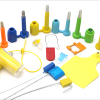
Bolt seals for containers are the strongest type of seal you can get. They’re made of metal, often steel, and are super tough to break without special tools. You’ll often see them on containers carrying very valuable goods or those needing the highest level of high-security seals. They meet the strict ISO 17712 standard, which is the global gold standard for mechanical seals. If you need top-notch security, our durable [[Bolt Seals]] are an excellent choice. They’re a true container lock systems solution.
Flexible Cable Seals: Good for Many Uses
Cable seals for shipping are another popular choice. They have a metal cable that you thread through the container’s locking bars and then secure in a locking body. They’re very flexible, so you can use them on different kinds of containers and doors, not just big shipping containers. Like bolt seals, many cable seals also meet the ISO 17712 standard, making them a high-security seals option. Our versatile [[cable seals]] offer great flexibility and security for various applications. They’re an excellent logistics security solutions tool.
Simple Plastic Seals: For Lighter Security Needs
Plastic seals customs are often used for lighter security needs or for internal checks. Think about airline duty-free carts or truck doors that don’t carry extremely high-value items. While they’re not as tough as bolt or cable seals, they still provide clear tamper evidence. If one is broken, you know someone tried to open it. They are generally one-time use seals and are cost-effective. You can learn more about our range of [[plastic seals]] for various applications. These are sometimes called single-use plastic seals.
Smart Seals: The Future of Tracking and Security
New technology is changing how we secure containers. Electronic customs seals, GPS container seals, and RFID seals for logistics are becoming more common. These are smart seals technology solutions. They can do more than just show tamper evidence. They can track a container’s location, sense if the door opens, and even send alerts if something unusual happens. Imagine a smart seal’s GPS alert allowing authorities to recover stolen goods before they left the port. This gives much better supply chain visibility and helps with container tracking system efforts. This represents the digitalization of customs and offers digital seal solutions.
How Does a Customs Seal Work in the Real World?
Understanding how seals work day-to-day helps you see their true value. It’s a step-by-step process that involves many people.
The Journey Begins: Applying the Seal
When a shipping container is loaded at the warehouse or factory after container stuffing and sealing, an exporter or shipper applies the seal. They might use a bolt seal or a cable seal. They record the seal number and the container number on the Bill of Lading and Manifest. This is part of the seal application guidelines. This simple act marks the start of the chain of custody. This action is vital for shipper security obligations.
Keeping Track: The Importance of Seal Numbers
The seal number tracking is super important. It links the physical seal on the shipping container to its paperwork. If this number doesn’t match at any point, it’s a big problem. This helps ensure container integrity from start to finish. Good seal documentation and a proper seal management system make this easier. It helps with paperless trade solutions too.
What Happens at the Border or Port?
When the container reaches a seaport, airport, rail terminal, or border crossing, customs officers check the seal. They do a visual seal inspection. They compare the seal number on the container with the Manifest. If everything looks good, the container moves on. If they see a broken container seal protocol or something looks off, they might stop the container for a customs inspection process. This could involve non-intrusive inspection (NII) using cargo scanning technology. This is a crucial part of port security measures and border security controls.
What If a Seal Looks Broken or Tampered With?
If a seal is broken, damaged, or doesn’t match the paperwork, it triggers an alert. This is a huge red flag for risk management in shipping. The customs officer will likely open the container for a full physical inspection. They might look for contraband detection or manifest discrepancies. A seal replacement policy might be in place if the seal was damaged accidentally. This also informs marine insurance and seals claims. Proper seal removal procedures are followed, usually only by authorized personnel.
Who Needs to Care About Customs Seals?
Everyone involved in moving goods around the world has a role to play with customs seals. It’s a team effort!
Importers and Exporters: It’s Your Responsibility
As an importer or exporter, you’re at the front line. You need to make sure the right kind of customs seal is used and that its seal number is recorded correctly. You also need to understand international trade regulations and trade compliance. It’s part of your risk management strategy to ensure your cargo security. You can’t just slap on any lock; it needs to be a security standard seal, often an ISO 17712 compliant one. This responsibility extends to understanding the cost of container seals and investing in appropriate high-security seals.
Shipping Companies and Logistics Pros
Shipping lines, freight forwarders, and logistics companies handle thousands of containers. They’re responsible for transporting goods safely. They need to train their staff on seal application guidelines and training for seal inspection. They also deal with things like port congestion and security. For them, seals are a key part of freight security best practices and supply chain resilience. This includes maritime shipping security, rail freight security, and road transport security. They also manage container destuffing at the destination.
Customs Officers: The Guardians of the Border
Customs officers are the gatekeepers. They use seals to enforce international trade regulations and protect their country’s borders. They work for government agencies and seals programs like U.S. Customs and Border Protection (CBP) or European Union Customs. They rely on seals to help prevent customs duty evasion prevention and contraband detection. Their work is critical for border security. They also use trade data analysis to spot risks.
Rules and Standards for Customs Seals
To make sure seals really work, there are rules and standards everyone agrees on. These help keep the global supply chain safe.
ISO 17712: The Global Gold Standard for Seals
The ISO 17712 standard is the most important rulebook for customs seals. It tells seal manufacturers how strong a seal needs to be and how it should show tamper evidence. Seals that meet this standard are called “high security seals.” When you see a seal marked with ISO 17712, you know it’s a tough, reliable seal. This standard is crucial for overall container integrity and is recognized by the ISO (Intl. Org. for Standardization). This is a vital security standard for intermodal container security.
Programs Like C-TPAT and AEO: Extra Security Steps
Some countries have special programs to make trade even safer. For instance, the U.S. Customs and Border Protection (CBP) runs C-TPAT (Customs-Trade Partnership Against Terrorism). This program encourages businesses to have strong security practices, including using high-security seals. In Europe, they have the AEO (Authorized Economic Operator) program. Businesses in these programs get faster customs clearance procedures because they’ve shown they’re serious about secure supply chain initiatives. These programs show the importance of container sealing in modern risk management. The International Maritime Organization (IMO) also has guidelines.
The Future of Shipping Container Security
The world of shipping is always changing, and so is security. New ideas and tools are coming out all the time to make things even safer. We’re seeing more international conventions security efforts.
New Tech: Smart Seals and Beyond
The future holds more smart seals technology. We’ll see more RFID seals for logistics and GPS container seals. These “connected” seals can tell us where a container is at all times and if its door has been opened. This gives real-time supply chain visibility. We’re even looking at things like Blockchain for supply chain tracking and AI in logistics security to predict and prevent problems. These technologies address the challenges with container seals today, pushing for better container tracking system methods.
Making Trade Even Safer and Faster
All these improvements aim to make trade facilitation smoother and safer. By using better customs seals and new technology, we can reduce cargo theft losses, stop customs fraud prevention, and ensure goods reach their destination unharmed. This helps the global economy grow and makes import/export processes more efficient for everyone. It’s about combining strong physical seals with smart digital solutions to create the future of container security.
Wrapping It Up: Why Customs Seals Matter for Everyone
So, what is a customs seal on a shipping container? It’s much more than a simple lock. It’s a small but mighty hero in the world of international trade. These seals protect your cargo from theft, help stop illegal activities like smuggling, and make sure that customs clearance happens smoothly. They’re a vital part of cargo security, offering essential tamper evidence across the entire supply chain.
From the tough bolt seal to the clever smart seals technology of tomorrow, each type plays its part. Importers, exporters, shipping lines, and customs officers all rely on them every day. The ISO 17712 standard and programs like C-TPAT show how serious the world is about keeping goods safe. When you understand the importance of container sealing, you see how a tiny seal helps keep the whole global supply chain moving safely and surely. It’s truly a cornerstone of secure supply chain initiatives.