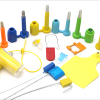


What is a container lock seal?
summary
Container lock seals are crucial security devices used in the transportation and storage of goods, designed to protect cargo from unauthorized access, tampering, and theft. They play an essential role in global trade, where the integrity of shipments is paramount for compliance with regulatory standards and maintaining consumer trust. These seals are classified into two primary categories: indicative seals, which signal tampering, and preventative seals, which provide a higher level of security against unauthorized entry. Their application spans various industries, including pharmaceuticals, petrochemicals, and general freight, highlighting their importance across diverse logistical environments.
Notably, container lock seals must adhere to established standards, such as ISO 17712, which outlines the requirements for security seals in international shipping. Compliance with these standards is vital for businesses to enhance security, ensure accurate tracking, and promote transparency in the supply chain. Failure to comply can lead to significant repercussions, including legal penalties and financial losses. Additionally, the evolution of cargo theft tactics and the increasing sophistication of criminal networks underscore the necessity for effective seal solutions in today’s complex logistics landscape.
The effectiveness of container lock seals is further underscored by their ability to bolster cargo integrity and provide a visible deterrent against theft. By implementing high-security seals, companies can enhance their operational efficiency and consumer confidence while mitigating potential losses associated with cargo theft and damage. However, challenges remain, including vulnerabilities introduced by modern supply chain dynamics and the need for continuous advancements in sealing technology to keep pace with evolving security threats.
In recent years, technological innovations have led to the development of electronic seals, which integrate real-time tracking and monitoring capabilities, thus elevating security standards. The push for increased market education on the benefits of compliant seals is essential to maximize their protective potential, as well as to address growing concerns over sustainability and ethical practices in seal production. As the logistics industry continues to adapt, container lock seals are likely to play an increasingly integral role in ensuring the safety and integrity of global supply chains.
Types of Container Lock Seals
Container lock seals are essential security devices designed to safeguard cargo during transportation and storage. These seals are classified into several categories based on their function and design, primarily falling into two main types: indicative seals and preventative seals.
Indicative Seals
Indicative seals serve as visual markers that indicate whether a container has been tampered with. These seals are typically made from Selos plásticos or metal and are easily broken or removed, making them ideal for low-risk situations where the primary objective is to maintain accountability rather than provide high-level security. Common applications include utility meters, tote boxes, and duty-free bags. Indicative seals are cost-effective solutions for monitoring access, providing evidence of tampering without resisting physical force.
Features of Indicative Seals
Indicative seals are characterized by their ease of removal, often requiring only basic tools like shears or common household cutters. They are also known as frangible or void seals, designed to produce obvious signs of tampering when interfered with. While they offer limited protection, they play a critical role in ensuring the integrity of contents during transit.
Preventative Seals
Preventative seals, in contrast, are designed to function as locks, providing a higher level of security against unauthorized access. These seals are constructed from robust materials and are intended to resist tampering efforts.
Vedações de Parafuso: Known for their high-security features, bolt seals are robust and designed for maximum protection against unauthorized access.
selos de cabo: These seals offer flexibility in securing containers and are useful in situations requiring adaptability.
Electronic Seals: Incorporating advanced technology, electronic seals can monitor various factors such as location and temperature, making them suitable for high-value or sensitive shipments. Features like RFID chips and GPS tracking enhance their effectiveness in real-time monitoring.
Specialty Seals
In addition to standard preventative seals, specialty seals are available for specific applications. For instance, tamper-evident seals in the pharmaceutical industry help maintain medication integrity and prevent counterfeiting, while chemical-resistant seals are utilized in the petrochemical sector to secure hazardous materials.
Benefits of Container Lock Seals
Container lock seals provide a multitude of advantages that enhance the security and integrity of goods during transportation. These seals serve as a vital component in safeguarding cargo against unauthorized access, tampering, and theft, making them indispensable in the shipping industry.
Compliance with Regulatory Standards
Adhering to industry standards such as ISO 17712 is crucial for businesses involved in global trade. Container lock seals that meet these regulations not only enhance security but also ensure meticulous handling and accurate tracking of cargo. Compliance with these standards can prevent legal and financial repercussions, such as fines and shipment delays due to non-compliance with customs regulations.
Enhanced Security
Container lock seals act as a formidable barrier against unauthorized entry and cargo theft. They are designed to deter potential thieves and serve as a visible indicator of a container’s integrity, reassuring stakeholders that the cargo has not been tampered with during transit. Selos de alta segurança, particularly those compliant with ISO 17712 standards, offer robust protection through features such as unique identification numbers and tamper-evident designs, making any breach attempts easily detectable.
Cargo Integrity Assurance
The use of container lock seals ensures the integrity of the goods being transported. By preventing unauthorized access, these seals help maintain the original condition of the cargo and protect it from damage or loss during transit. Seals with distinct identification numbers also facilitate tracking and tracing of containers, enabling companies to monitor their shipments effectively and identify any security lapses promptly.
Cost Savings
Investing in high-security container lock seals can lead to significant cost savings for companies. By mitigating the risk of cargo theft and loss, these seals help prevent financial losses that can arise from stolen or damaged goods. Moreover, compliant seals streamline customs processes, potentially leading to faster clearance and reduced operational costs.
Increased Consumer Confidence
Utilizing reliable container lock seals sends a strong message to customers regarding a company’s commitment to security and cargo integrity. This can enhance consumer confidence, as clients are more likely to engage with businesses that prioritize the safety of their goods during transit. In a competitive market, such assurances can be a deciding factor for customers when selecting partners for their logistics and supply chain needs.
Regulations and Standards
ISO 17712 Standards
The ISO 17712:2013 standard is the globally recognized benchmark for container seals, outlining specifications for security seals utilized in international shipping. It categorizes seals into three distinct types: Indicative Seals, which signal that a container has been opened; Security Seals, which provide a higher level of protection against tampering; and High-Security Seals, designed to endure tampering and physical attacks, ensuring the integrity of shipments during transit.
Compliance with ISO 17712 standards is essential for businesses engaged in global trade. It enhances the security of goods, facilitates accurate tracking, and promotes transparency in the supply chain. Furthermore, these standards serve to build trust among stakeholders, including customers and regulatory bodies, by demonstrating a commitment to maintaining the integrity of cargo during transportation.
Importance of Compliance
Adhering to ISO 17712 standards offers multiple benefits, such as increased security and potential cost savings. High-security seals not only deter theft and smuggling but also protect cargo from unauthorized access. Non-compliance, on the other hand, poses significant risks, including fines, legal actions, and a tarnished reputation due to reduced consumer confidence. Companies are thus encouraged to implement ISO 17712-compliant seals to assure customers of their commitment to security and compliance with international standards.
Other Regulatory Frameworks
In addition to ISO 17712, businesses must also consider other international trade regulations, such as those established by the World Customs Organization (WCO) and the International Maritime Organization (IMO). The IMO, through its various conventions, has set minimum standards for container construction, inspection, and maintenance to ensure safe maritime transport. Furthermore, U.S. regulations enforced by agencies like the Department of Homeland Security (DHS) and Customs and Border Protection (CBP) govern the secure handling of containerized freight, reinforcing the need for compliance with international standards, including the ISO 17712.
Installation and Use
Correct Installation of Container Seals
Proper installation of container seals is essential to ensure cargo security and prevent unauthorized access.
Close Container Doors: Ensure that both container doors are fully closed, aligning the vertical locking bars correctly.
Engage Locking Mechanisms: Secure the locking cams at the top and bottom of each door.
Insert the Bolt Seal: Firmly insert the bolt into the locking mechanism until a distinct click is heard, indicating that the seal is locked properly.
Visual Inspection: Conduct a visual check to confirm there are no gaps or misalignments, as these can increase vulnerability to tampering. Installation typically takes less than 20 seconds per container, significantly enhancing security measures against intruders.
Use of High-Security Seals
High-security seals are designed to withstand various types of tampering and unauthorized access attempts. They are compliant with ISO 17712:2013 standards, which define the performance criteria necessary for effective mechanical seals. These seals must demonstrate resilience to shear, tension, bending, and impact forces, ensuring reliability across different shipping environments.
Types of Seals
High-Security Bolt Seals: These seals are the most robust and are often used for high-risk shipments. They require bolt cutters to remove, thus providing a high level of security.
Cable Seals: More adaptable and suitable for various applications, cable seals offer moderate security and can be used for cargo that poses a lower risk.
Electronic Seals (E-seals): Integrating digital technology, e-seals enable real-time monitoring and tracking of containers, providing an audit trail that enhances transparency and compliance with modern logistics standards. They are particularly useful for high-security supply chains and are capable of sending alerts regarding tampering or location changes.
Regular Maintenance and Monitoring
It is crucial to maintain regular checks on seals throughout the transit process. Organizations are advised to update seal logs when seals are issued to track usage accurately. Additionally, if a seal appears compromised, immediate notification of the relevant authorities, such as Customs and Border Protection (CBP), is necessary. A second seal should be applied with proper documentation if removal becomes necessary during transit.
By implementing these practices, companies can enhance the security of their cargo and maintain a streamlined shipping process, ultimately reducing the risk of loss or damage during transportation.
Challenges and Limitations
Despite the critical role of container lock seals in enhancing security, several challenges and limitations persist that can affect their efficacy in safeguarding shipments.
Vulnerabilities in Supply Chain Dynamics
Global events, such as the COVID-19 pandemic, have significantly shifted supply chain dynamics, introducing new vulnerabilities. Factors like warehousing delays, staffing limitations, and bottlenecks have made it increasingly difficult to predict shipment routes and schedules, thereby heightening opportunities for cargo theft. These disruptions have underscored the inadequacy of relying solely on traditional locked containers for security.
Sophisticated Criminal Tactics
Criminal networks have evolved, employing advanced tactics such as insider access and counterfeit documentation to intercept sensitive shipments. As the demand for high-value goods—such as electronics and pharmaceuticals—continues to rise, these items become more attractive targets for theft. Organized and strategic criminal elements are more adept at identifying and exploiting vulnerabilities in cargo security systems.
Technological Gaps
The effectiveness of container lock seals can also be compromised by outdated or insufficient security measures. Advances in technology have enabled criminals to bypass traditional sealing methods, creating a pressing need for more robust protective solutions. This technological gap can render even high-security seals less effective if they are not integrated into a comprehensive security strategy that includes other measures, such as real-time tracking and environmental monitoring.
Limitations of Seal Types
While various types of security seals—such as high-security and barrier seals—are designed to deter tampering and theft, they each come with inherent limitations. For example, while Selos de metal are constructed from strong materials and incorporate advanced locking mechanisms, they are not impervious to determined attacks. No seal is completely unbreakable, and some types, like indicative seals, offer minimal protection and can be easily compromised.
Compliance and Regulatory Challenges
Non-compliance with ISO standards related to container seals can have serious repercussions, including increased risks of cargo theft and regulatory violations. Businesses involved in international trade must carefully select seals that meet or exceed these standards to protect their shipments adequately. Failure to adhere to these guidelines may lead to financial losses and diminished customer trust.
Real-World Scenarios
Impact of Supply Chain Disruptions
The COVID-19 pandemic and other global events have significantly altered supply chain dynamics, leading to increased vulnerabilities in cargo transport. Issues such as warehousing delays, limited staffing, and bottlenecks have created an environment ripe for cargo theft, making it increasingly difficult to predict shipment routes and schedules, and thereby enhancing opportunities for thieves to act. The rise in theft incidents can be attributed to these disruptions, which have highlighted the critical need for robust security measures in the logistics sector.
Organized Criminal Activity
Cargo theft has evolved into a sophisticated crime, with criminals employing advanced tactics to intercept valuable shipments. These organized networks utilize insider access and counterfeit documentation, further complicating efforts to safeguard cargo. As demand for high-value goods—such as electronics and pharmaceuticals—continues to grow, these products have become attractive targets for theft. Criminals have become more strategic in their operations, leading to a notable increase in organized theft cases.
The Role of Security Seals
In many instances, the implementation of effective security seals has proven essential in mitigating the risks associated with cargo theft. Research indicates that incidents of theft could often be avoided with proper security seals and tamper-evident packaging protocols. For example, high-security bolt seals are designed to reveal any attempts at tampering immediately, featuring unique serial numbers or barcodes that facilitate tracking and accountability throughout the shipping process. Moreover, these seals employ physical indicators such as visible cracks or discoloration to signal potential breaches, emphasizing the need for regular inspections during transit.
Financial and Operational Consequences
The financial impact of cargo theft is substantial. On average, losses from cargo theft incidents exceed $202,000 per occurrence, which can severely affect a company’s bottom line. The ramifications extend beyond immediate financial losses; they include operational disruptions due to delayed deliveries and the costs associated with emergency replacements. Furthermore, companies may face reputational damage, which can lead to lost contracts and diminished client confidence. In sensitive cases, such as military or regulated shipments, inadequate security protocols can also result in compliance penalties.
Future Trends
As the global landscape of logistics and transportation continues to evolve, container lock seals are anticipated to undergo significant advancements driven by technological innovation and changing market demands.
Technological Advancements
Recent developments in technology are enhancing the effectiveness and functionality of container lock seals. Electronic seals, which incorporate components such as RFID chips and GPS trackers, are increasingly being adopted for real-time monitoring of shipments. These smart seals can track access events, log timestamps, and send immediate alerts if security is breached, allowing for rapid response and increased security for high-value goods. Additionally, modern seals are equipped with sensors that monitor environmental conditions, such as humidity and temperature, which is crucial for maintaining the integrity of sensitive products.
Increased Security Measures
The rising threat of cargo theft is driving the demand for higher security standards in seal manufacturing. The ISO PAS 17712 standard plays a pivotal role in establishing robust requirements for the production and quality management of high-security seals. This standard necessitates a comprehensive approach that goes beyond just the physical attributes of seals; it requires manufacturers to implement rigorous production control, traceability of materials, and effective non-conformity management processes. As security threats evolve, ongoing updates to these standards will be necessary to combat new circumvention techniques, ensuring that seals continue to provide a strong defense against cargo theft.
Market Education and Adoption
Despite the critical importance of security seals, there remains a knowledge gap among supply chain participants regarding the benefits and proper utilization of ISO PAS 17712 compliant seals. Increased market education is essential to promote understanding of these seals and encourage their widespread adoption, thereby maximizing their protective potential against theft and tampering. Companies that invest in educating their workforce about seal technology and security practices will be better positioned to safeguard their assets.
Sustainability and Ethical Considerations
In tandem with security innovations, there is a growing emphasis on sustainability within the logistics sector. The design and materials used for container lock seals will likely evolve to reflect environmentally responsible practices. This could involve utilizing recycled materials or developing seals that minimize environmental impact while maintaining high security standards. Companies are increasingly aware that ethical practices not only protect their goods but also enhance their reputations within the marketplace.