

Who Seals Shipping Containers? Roles and Responsibilities Explained
You might ask, “Who puts the seal on a big shipping box?” That’s a very good question! It’s not just one person. Many people help with this big job. The shipper usually puts on the first seal. But other groups check it and sometimes add their own new seals. It’s like a team effort, and everyone plays a part in keeping things safe. We’ll show you all the steps and who does what.
Why Is Sealing a Container So Important?
Let’s start by thinking about why we use seals. They aren’t just a small detail. They keep your goods safe. They also help shipments move fast and smoothly.
Keeping Your Goods Safe from Theft and Tampering
Imagine you send a gift to a friend far away. You want to make sure no one opens it before it gets there. A shipping container seal is like that lock on your gift box. It’s a way to ensure container security. Seals stop bad people from stealing things. This is called cargo theft prevention. Seals also stop people from putting bad or illegal things inside your container. This is tamper evidence in action. When a seal is on, it shows that no one has touched the goods since it was sealed. We call this seal integrity.
Seals are a big part of supply chain security seals. They protect everything from your warehouse staff loading items to the truck driver taking the container to the port. Globally, cargo theft costs many billions of dollars each year. Reports show losses can be over $50 billion annually worldwide. This often happens because seals are broken or faked. (Source: Groups like TAPA – Transported Asset Protection Association, or BSI Supply Chain Services often cite these figures). Good security protocols for seals help stop this problem. They are a main part of cargo protection seals.
Meeting Customs Rules and Avoiding Delays
Every country has rules. Customs authorities check goods when they come in or go out. Seals help you follow these rules. These are customs container seals. Without the right seal, your container could get stuck. This means big delays for your goods. No one wants to wait!
Think of C-TPAT (Customs-Trade Partnership Against Terrorism) in the US. Or AEO (Authorized Economic Operator) programs in other parts of the world. These programs ask companies to use strong seals and good container sealing steps. If you follow these rules, your containers can move faster through customs. But you must keep your C-TPAT seals or AEO seals safe. (Source: U.S. Customs and Border Protection for C-TPAT, World Customs Organization (WCO) for AEO). These customs seal requirements are very important. They help you meet import export seal rules. This is all part of regulatory compliance seals.
Protecting Everyone in the Supply Chain
Good logistics seals help everyone. The shipper who sends the goods trusts the seal. The carrier who moves the goods trusts the seal. Even the consignee who gets the goods trusts the seal. It builds trust in the whole journey. This is key for international trade security and trade security seals. When everyone uses good shipping container security, it makes secure container shipping happen. It means your goods, whether by ocean freight seals, overland freight seals, air cargo seals, or rail cargo seals, are looked after. This helps with risk management seals for everyone involved.
The Main Players: Who Does What?
Many people work together to seal a container and keep it safe. Let’s look at who does what at each step.

The Shipper’s Role: Starting the Journey Securely
The shipper is the company sending the goods. They are often the first to put a seal on the container. This is a big job and they have shipper seal responsibility.
- Loading and Stuffing: The shipper’s warehouse staff fills the container with goods. This is called container loading or container stuffing. They ensure all goods are safe inside.
- Choosing the Right Seal: They pick a strong seal for the job. They choose from different types of container seals. For instance, they might pick a strong metal bolt seal or a flexible cable seal. You can learn more about different types like [[Bolt Seals]]. They may also use [[Plastic seals]] for lighter security needs or when showing tamper evidence is key.
- Applying the Seal and Recording Details: After the container is full, a worker puts the seal on the container doors. This is the seal application process. They must do it correctly. Then, they write down the unique seal numbers. This is important for seal number logging. They put this number on important papers like the bill of lading and the shipping manifest. This is part of seal record keeping and seal documentation. They might also keep a seal register. This first seal is a container loading seal or a container stuffing seal.
The Carrier’s Role: Moving Goods Safely
The carrier is the company that moves the goods. This could be a shipping line that uses big ships, or a trucking company that uses trucks. A freight forwarder might help arrange this. They have carrier sealing duties.
- Checking Seals at Pickup: When the truck driver or security personnel from the carrier picks up the container, they do a seal verification. They make sure the seal is still there. They check that it looks good and has not been opened. This is part of container pre-trip inspection seals.
- Reporting Issues: If the seal looks broken, or if the seal numbers don’t match the papers, they tell someone right away. This is a crucial step in preventing cargo theft. It’s part of the seal breach procedure.
- Maintaining Seal Integrity: While the container is moving, the carrier tries to keep the seal safe. They make sure nothing happens to the freight security seals. This ensures security of goods in transit. Good seal handling guidelines are key here.
Customs Authorities: Ensuring Compliance and Security
Customs authorities are government workers. They check containers at country borders or ports. They play a very important part in customs container seals and customs declaration seals.
- Inspecting Seals: When a container arrives, customs authorities often look at the seal. They might do a quick container inspection to make sure the seal is real. They check for seal tampering signs.
- Removing and Applying Their Own Seals (When Needed): Sometimes, customs wants to check what’s inside the container. They will remove the old seal. This follows seal removal rules. After they check the goods, they might put a new customs seal on the container. This helps them enforce container seal regulations.
- Enforcing Regulations: Customs makes sure everyone follows the import export seal rules and other regulations. They are key for seal compliance. Their actions are vital for global shipping seals.
Port and Terminal Operators: Handling Containers with Care
These are the people who work at the port and terminal. This is where ships dock or where containers are stored in the container yard. The port authority and terminal operator keep the area safe.
- Visual Checks: They often do a quick look at seals. This happens when containers move around the container yard. This is part of visual checks for container security solutions.
- Security Protocols in the Yard: They keep the whole area safe. They have security protocols for seals in place. This includes terminal operator seals and general site security.
The Consignee’s Role: The Final Check
The consignee is the company or person receiving the goods. They have the last chance to check the seal. This is the consignee seal check.
- Verifying Seal Numbers on Arrival: When the container arrives at their warehouse, they must check the seal number. Does it match the number on the bill of lading or other papers like the commercial invoice and packing list? This is the final seal verification.
- Reporting Discrepancies: If something is wrong with the seal, they tell the shipper right away. They follow the seal discrepancy reporting process. This is a very important step.
What Happens If a Seal Is Broken or Missing?
This is a big problem! What should people do if a seal is broken or missing? It means there’s a security breach.
Immediate Actions: What to Do First
If you see a broken seal or no seal at all, stop work. Do not open the container. Take clear pictures of the seal (or where it should be). Write down exactly what you see. Then, tell the right people immediately. This is the broken seal protocol or missing seal procedure. This quick action can help with any seal tampering investigation.
Potential Problems: Delays, Fines, and Investigations
A broken or missing seal can cause huge problems. Customs might hold the container for days or weeks. This leads to big delays and extra costs. They might inspect every single item inside. This can result in fines for the shipper or carrier. In bad cases, illegal items might be found. This could lead to serious legal trouble and legal liability for seals. This affects marine cargo insurance seals and container damage claims seals. It can be a very messy situation.
Who Is Liable? Understanding the Blame Game
Who gets blamed if a seal is broken? It depends on when the seal broke and who was in charge then. The audit trail from seal record keeping becomes very important here. Everyone has a duty of due diligence. If a carrier picks up a container with a good seal but it breaks during transit, they might be responsible. If the shipper put on a weak seal, they might be responsible. It’s often a complex liability question. The seal audit process can help figure this out.
Types of Seals and Standards You Should Know
Not all seals are the same. Some are much stronger than others. Knowing the container seal types is very helpful.
High-Security Seals (ISO 17712): The Gold Standard
These are the strongest seals you can get. They meet special rules from ISO (International Organization for Standardization). The standard is called ISO 17712. If a seal meets this rule, it’s a high security seal. Customs agencies often look for these seals. They are very hard to break. They offer strong tamper resistance seals. These seals help with ISO 17712 seals and ensure seal compliance for high safety standards. You can find many kinds of [[High Security Seals]] to protect your goods.
Other Common Seals: Cable, Bolt, and Plastic Seals
- Boutafdichtingen: These are very strong. They look like a metal bolt. They’re often used for big shipping containers. We talked about them with the shipper’s role.
- Kabelafdichtingen: These seals use a strong metal wire. You pull the wire tight. They are good for many uses.
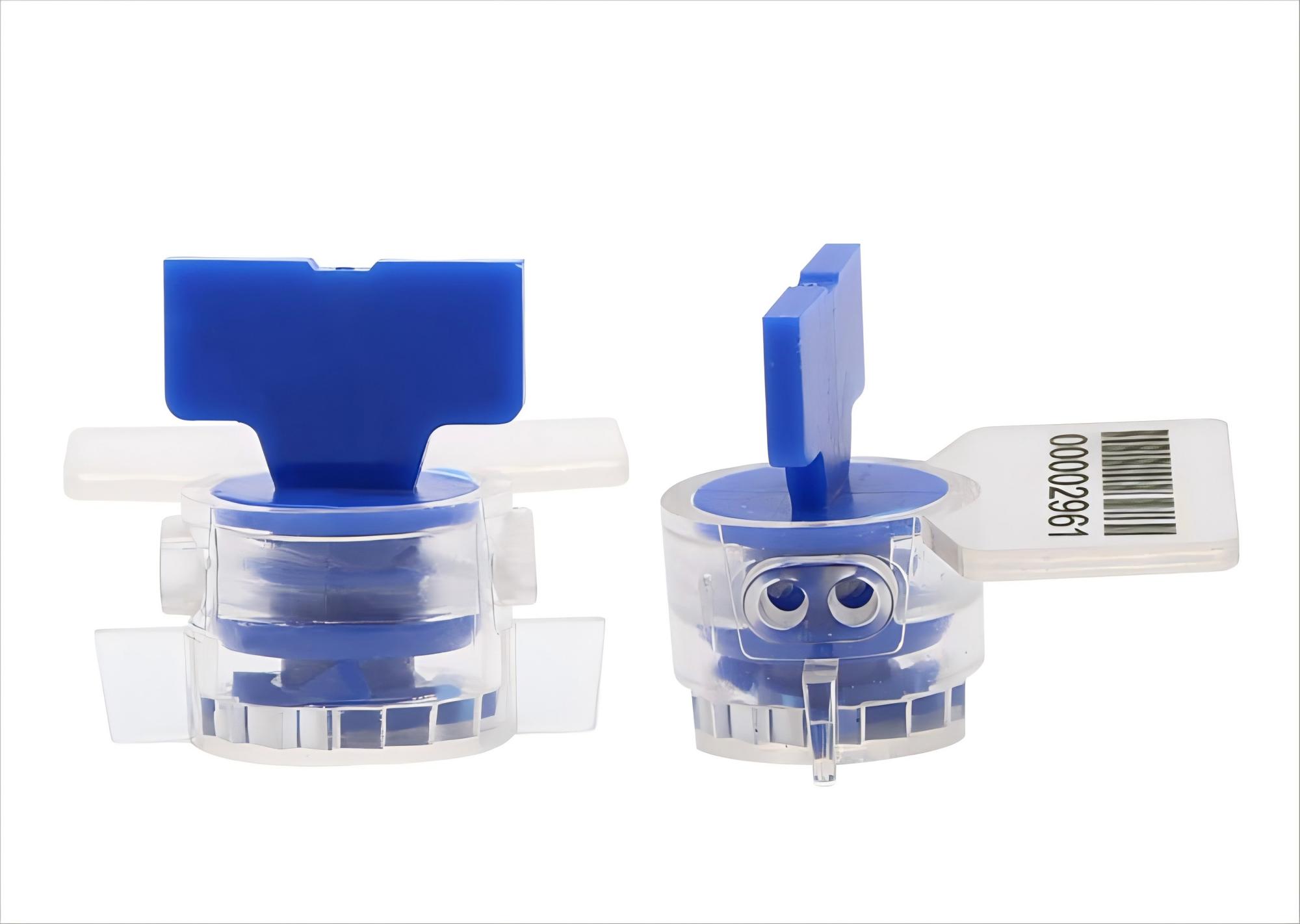
- Kunststof afdichtingen: These are lighter. They are easy to see if someone tries to open them. They are often called tamper evident seals. They are great for quick checks and showing if something has been opened.
Each kind of seal has its own job and helps with cargo sealing. They are all important for freight security seals.
Smart Seals and New Tech
New seals are coming out all the time. Some are electronic container seals or smart container seals. These can use GPS to tell you where your container is. They can also send a message if someone tries to open the seal. This gives you seal traceability and boosts supply chain visibility seals. They represent new container security solutions. A GPS seal can track movement, which is great for international shipping seals.
Best Practices for Container Sealing
How can you do container sealing the right way? Here are some good ideas for best practices for seals.
Training Your Team
Everyone who touches a seal needs to know what to do. They need good seal application process training. They must know how to put seals on correctly. They also need to know seal handling guidelines. This includes warehouse seal checks and container loading supervision. Good security personnel training is key.
Keeping Good Records
Always write down every seal number. This is very important. Keep records of when seals were put on and taken off. This is seal documentation retention. This creates a container seal audit trail. If something goes wrong, you can look back at your seal documentation. This helps with any seal tampering investigation or seal audit process. This means having a good seal management system.
Regular Checks and Audits
You need to check your sealing process often. Are people doing it right? Are the seals strong enough? This is a seal audit process. Do regular seal integrity checks. Use a seal inspection guide to make sure all seal standards are met. This helps ensure seal safety rules are followed. It’s part of your cargo security plan and important for seal validation.
Wrapping It Up: Who Truly Holds the Sealing Responsibility?
So, who is responsible for sealing a container? It’s really a shared job. The first seal often goes on with the shipper. But many people along the way have a part to play. They all help to make sure your goods stay safe.
Here’s a quick look at who does what:
| Role | Main Sealing Responsibility | Key Actions & Checks |
|---|---|---|
| Shipper | Applies the initial seal after loading. | Chooses seal, applies correctly, records seal number. |
| Carrier | Maintains seal integrity during transit. | Verifies seal at pickup, reports issues, ensures security. |
| Customs Authority | Inspects seals for compliance and security. | Checks for tampering, may apply own seals, enforces laws. |
| Port/Terminal | Monitors container security while on their property. | Visual checks, general site security. |
| Consignee | Verifies seal upon receiving the container. | Compares seal number to documents, reports discrepancies. |
Everyone plays a part in keeping your goods safe. From the shipper putting on the first seal to the consignee checking it at the end. They all follow good seal policy and procedure. This ensures container seal importance is always respected. They work together for secure container shipping.