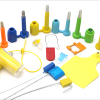


Bolt Seals: Yes, They Secure Shipping Containers! Here’s Why.
Do people use bolt seals to keep shipping containers safe? Yes, they do! It’s a big deal. Bolt seals are super important for container security. They help stop bad guys from opening your cargo. They keep your stuff safe when it travels far. We will tell you all about it. This guide helps you see why high security seals are a must-have in global trade.
What Exactly Are Bolt Seals? Understanding This Crucial Security Tool
A bolt seal isn’t just a simple lock. It’s a special tool. It helps keep your shipping container doors shut tight. Think of it like a tough guard for your goods. It makes sure no one messes with your cargo. This is part of keeping your supply chain security strong. It’s also key for logistics security.
More Than Just a Lock: Why You Need High-Security Seals
Why can’t you just use any lock? Well, high security seals like bolt seals are different. They make a physical barrier. This barrier is really strong. People often call them barrier seals. They are built to resist people trying to cut them or break them. You need this level of strength to protect valuable cargo that travels across lands and seas. These seals solve the problem of easy access. They make sure only the right people can open your container. They truly help with freight security.
Bolt Seals vs. Other Container Locks: Spotting the Difference

You might see different kinds of container seals. Let’s talk about them.
- Plastic container seals are okay for showing if someone touched something. But they are not strong. You can break them easily. They are good for quick checks or internal tracking.
- Padlock seals shipping also give you a little warning. But a simple lock isn’t enough for international shipping.
- Cable seals for containers are stronger. They are flexible. They can be high security seals too, if they meet certain rules.
- But bolt seals are like the big tough brother. They are made to be very hard to break. They are the strongest kind of high security barrier seals. They are the container lock bolt of choice for big journeys.
So, when you think about how to secure a shipping container, bolt seals usually win. They offer the best protection.
Yes, Bolt Seals Are Non-Negotiable for Shipping Container Security
Using bolt seals is not just a good idea. It’s often a must. They play a huge part in keeping your goods safe from start to finish. They are a core container security device.
Stopping Theft and Tampering in Its Tracks
Cargo theft is a big problem. It costs businesses billions of dollars every year. For example, reports from groups like the Transported Asset Protection Association (TAPA) show yearly losses are very high. Bolt seals act as a big sign to thieves. They say, “This container is protected!” This helps with cargo theft prevention. If someone tries to open the container, the tamper evident seal will show it. You will see clear proof of container tampering. This means you know right away if something is wrong with your container integrity. It helps with preventing unauthorized access.
Meeting Global Standards: ISO 17712 and C-TPAT Compliance
The world has rules for shipping. One very important rule is ISO 17712. This is a special stamp of approval. It says a security seal is super strong. It can handle attempts to break it. Bolt seals must meet this ISO 17712 seals standard to be called “high security.” This is key for international shipping regulations.
Another important program is C-TPAT. This is from U.S. Customs and Border Protection (CBP). Companies that join C-TPAT promise to keep their supply chain safe. This includes using ISO 17712 compliant seals. When you use these seals, your cargo might get through customs clearance seals faster. This makes global shipping security better for everyone. Groups like the World Customs Organization (WCO) also push for these strong seals. For more on ensuring seal compliance, you might want to learn about high safety standards.
Creating a Clear Audit Trail for Every Journey
Every single bolt seal has a special number. It’s a unique seal numbers. This number is like its own ID card. When a shipping container starts its trip, people write down this number. When it gets to the end, they check it again. This creates a clear path or audit trail. This helps with seal management and seal verification. If something goes missing or changes, you can check the seal number. This helps with container tracking and gives you supply chain visibility. You can know what happened and when.
How Do Bolt Seals Work to Protect Your Valuable Cargo?
Let’s look at how these smart tools do their job. They seem simple but are very strong.
The Anatomy of a High-Security Bolt Seal: Simple but Mighty
A container bout afdichting usually has two parts.
- The bolt: It’s a metal pin. It goes through the door seals for containers.
- The barrel: This is a metal piece that locks onto the bolt.
Once you push the bolt into the barrel, it locks. You can’t pull them apart by hand. The metal bolt seals are very strong. Some even have a plastic coated bolt seals outer layer. This makes them easier to handle. This design helps with container locking mechanisms.
Proper Application: Getting It Right Every Single Time
Putting the bolt seal on correctly is super important.
- You push the bolt through the hole in the container door latch.
- Then, you push the barrel onto the bolt until it clicks.
- Wiggle it gently. It should feel very tight. If it’s loose, it’s not on right.
- Always make sure the unique number is easy to read.
Doing this right ensures the bolt seal application works as it should. It keeps the container latch security strong.
The Tamper-Evident Design: A Clear Sign of Trouble
What makes a bolt seal so good? Its tamper-evident design. If someone tries to open it without bolt seal removal procedure with proper tools, it will show. The seal will break in a way that you can clearly see. It will not look like it did when you put it on. This sign tells a Customs Officer or Shipping Manager that someone tried to get inside. This helps catch container fraud prevention and is vital for container inspection. It helps you verify seal integrity check.
Key Features You Must Look for in a Quality Bolt Seal
Not all seals are the same. When you pick a container bout afdichting, look for these important things.
ISO 17712 Compliance: Your Golden Standard for Security
We talked about ISO 17712. This is the most important thing. This standard tests the seal for:
- Tensile strength seals: How much force it can take before pulling apart. High-security bolt seals have a breaking strength of at least 1,000 kg (2,200 lbs).
- Shear strength: How much force it can take before being cut.
- Bending resistance: How much it can resist bending.
If a seal meets ISO 17712:2013, you know it’s a high-grade security seals. Companies like TydenBrooks and Mega Fortris make seals that meet these tough rules.
Unique Identification: Numbers and Barcodes You Can Trust
Each container bout afdichting should have its own unique serial number. This number should be printed clearly. Some seals also have barcoded bolt seals. This helps with quick reading by machines. It cuts down on human mistakes when recording numbers. This helps with seal identification and makes sure every seal is part of a perfect audit trail.
Strength and Durability: Materials That Withstand the Toughest Challenges
Good bolt seals are made of strong stuff.
- Metal bolt seals are very tough. They can handle long trips.
- They are also weather resistance. Rain, sun, heat, cold—they can take it.
- This durability means your cargo protection stays strong no matter the journey, be it marine container seals, rail container seals, or truck container seals.
Beyond Just Seals: Building a Comprehensive Container Security Strategy
Bolt seals are super important, but they are just one piece of the puzzle. To truly keep your cargo safe, you need a bigger plan. This is called risk management in shipping.
Layering Security: Combining Seals with Other Measures
Think of security like layers of an onion. A bolt seal is one layer. You can add more layers:

- Container lock boxes: These go over the seal and the container door handles. They make it even harder to cut the seal.
- GPS trackers: These devices can tell you where your container is at all times.
- Anti-tamper devices: These are other gadgets that help spot trouble.
This is all about layering security. It uses many container security devices together. This forms security best practices for all your container operations.
The Rise of Smart Seals and Digital Tracking Technology
Technology is changing how we keep things safe. Some new seals are “smart.”
- Electronic container seals can use sensors. They can tell you if the seal is broken.
- Smart seals for containers can even send signals. They can tell you the location of your container.
- This adds data logging to your container security. It gives you a lot of information in real time.
This makes secure logistics solutions even better. It makes supply chain resilience stronger too.
Best Practices for Seal Management and Verification
Having a good plan for your seals is very important.
- Record everything: Write down the unique serial number of each seal when you put it on.
- Inspect: Always check the seal when the container arrives. Is it still whole? Does the number match? This is seal verification.
- Dispose safely: When you take off a seal, make sure you break it or throw it away properly. You don’t want anyone else using it. This is part of the seal removal procedure.
These security protocols for containers are key for everyone involved: the shipper, the carrier, the logistics coordinator, the Customs Officer, and the consignee.
Frequently Asked Questions About Shipping Container Security
People often ask these questions about keeping containers safe.
How do you safely remove a bolt seal?
You need a tool called bolt cutters. These are heavy-duty tools.
- Always be careful. Wear safety glasses and gloves.
- Cut the bolt seal at the pin.
- Make sure you throw away both parts of the seal. This stops others from using it.
Are all bolt seals created equal, or should I be choosy?
No, they are not all equal! You must be choosy. Always pick a bolt seal that meets ISO 17712. This is the golden rule. Seals from trusted bolt seal manufacturer companies like AC&M Seal or TydenBrooks are good choices. You can also get customized bolt seals with your company’s logo. This adds another layer of security and brand recognition. Be sure to explore different options for Boutafdichtingen to find the right fit for your needs. If you’re using plastic seals for other tracking, remember they don’t offer the same physical barrier.
What happens if a container seal is found broken?
If you find a broken or missing seal, it’s a very serious sign.
- Do not touch anything. Keep the scene as it is.
- Tell people right away. Contact your shipping manager, freight forwarder, and the Port Authority.
- Take clear pictures.
- This means someone likely tried to open the container. It can affect freight insurance claims and shows a clear breach of security protocols. This is a container security audit red flag.
Final Thoughts: Don’t Compromise on Protecting Your Shipments
So, are bolt seals used to secure shipping containers? Yes, they are! They are vital. They play a huge role in global trade security. They help stop container theft and keep your goods safe. Using strong, ISO 17712 compliant bolt seals is a smart choice for any shipper or logistics coordinator. It’s an important part of cargo protection and helps avoid big losses. Don’t take chances with your shipments. Choose the right security. It gives you peace of mind.